Navigating Risk
Environmental Hazards
Travelling to any new destination posses risks. Risks go both ways, we as travelers deliver some to our destination while our destination posses some to us. The issues I will discuss in this post are both environmental, one caused by visitors and the other impacting visitors.
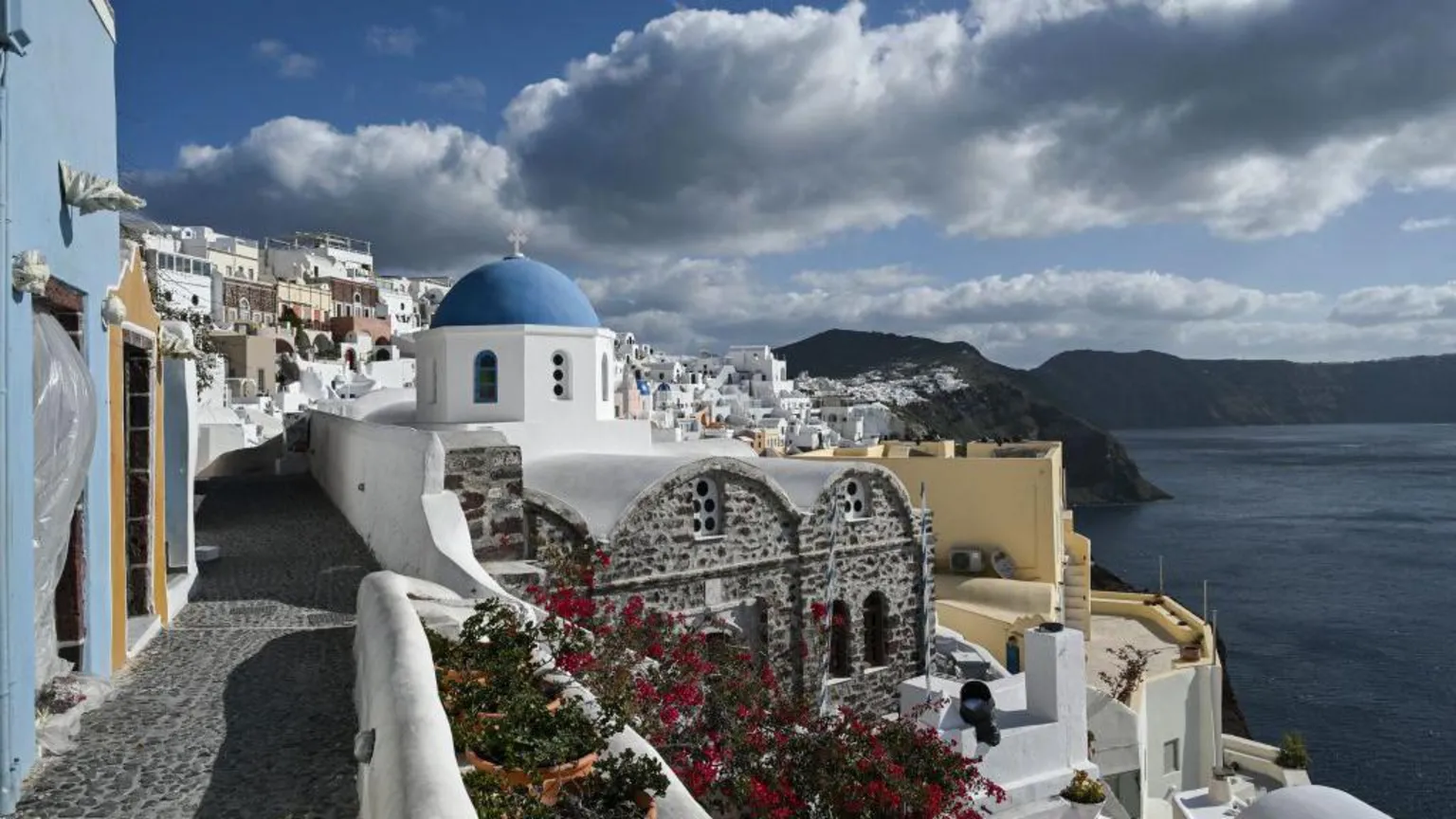 |
| Santorini on a gloomy day. Image Source: The BBC |
Greece has been a popular tourist destination for a while and like most admired destinations is facing over tourism. As a result, the country is facing the standard impacts of over tourism; littering and degradation to local biodiversity. A good example of this is the island of Crete. Few decades ago Crete's primary income source was agriculture. However, today this has turned over to the tourist industry. The result is soil erosion on high footfall nature trails, increased groundwater extraction to meet demand and damage to aquatic ecosystems due to plastic littering. Not only Crete but even other Greek hotspots like Santorini are experiencing similar problems. From 1994 to 2018 Santorini has seen and increase of 1853878 visitors per annum. This has caused increased toxic contamination in its soil due to increased vehicular traffic from tourism.
As visitors we must keep in mind that our destination is home to the community that has welcomed us to their land. While Greece is locally dealing with over tourism by imposing entrance fees, we as visitors must perform our personal duty of respecting the country's environment and maintain it as we would at our home.
 |
| Littering on Navagio Beach in Zakynthos. Image Source: Greek Reporter |
On the flip side, Greece's natural land form can subject tourist to unforeseen challenges at times. The most recognisable one of these are earthquakes. The country is located on multiple fault lines. Consequently, the country experiences an average of 25000 earthquakes yearly, most of which are minor. Nevertheless, as travelers we must be ready for larger catastrophes.
Some ways of staying on the safe side are carrying a strong travel insurance, making yourself accustomed to earthquake alert applications, connecting to a local SIM, carrying basic medical supplies, memorising local emergency numbers and carefully following instructions of local authorities if stuck in an earthquake situation. It can be life-saving to conduct prior research on emergency procedures.
There is always risk in travel. Yet, the only way to gain meaningful life experiences that shape are personalities in unique ways is to travel and explore. Doing so with consideration for local people and the environment while keeping in mind personal safety can lead to some of the best memories of your life.
References:
- Brtnický, M., Pecina, V., Galiová, M. V., Prokeš, L., Zvěřina, O., Juřička, D., Klimánek, M., & Kynický, J. (2020). The impact of tourism on extremely visited volcanic island: Link between environmental pollution and transportation modes. Chemosphere, 249. https://doi.org/10.1016/j.chemosphere.2020.126118
- Chrysopoulos, P. (2022). Earthquakes in Greece: The Areas of High Risk. GreekReporter.com. https://greekreporter.com/2022/12/29/areas-earthquake-risk-greece/
- Cursino, M. (2025). Santorini earthquakes: How long could the “seismic crisis” last? BBC News. https://www.bbc.com/news/articles/cp8qpn2p795o
- Royal Geographic Society. (2025). Greek earthquake swarm. https://www.rgs.org/schools/resources-for-schools/greek-earthquake-swarm
- Vourdoubas, J. (2024). The Undesired Impacts of Overtourism in the Island of Crete, Greece. International Journal of Advanced Multidisciplinary Research and Studies, 4(5), 868–874. https://www.multiresearchjournal.com/arclist/list-2024.4.5/id-3336
- OpenAI. (2025). ChatGPT. (May 21 Version) [GPT-4o Large Language Model]. Prompt used: "You are a first time traveler to Greece where earthquakes are common. How must you prepare for travel around the country?" https://chat.openai.com/chat


Comments
Post a Comment